
Leveraging SMS Marketing for Effective Customer Re-engagement
Understanding SMS Marketing
SMS marketing has emerged as a powerful tool for businesses aiming to re-engage customers effectively. With open rates as high as 98%, text messages offer a direct line to your customer's attention. Unlike emails, which can get lost in overflowing inboxes, SMS messages are typically read within minutes.
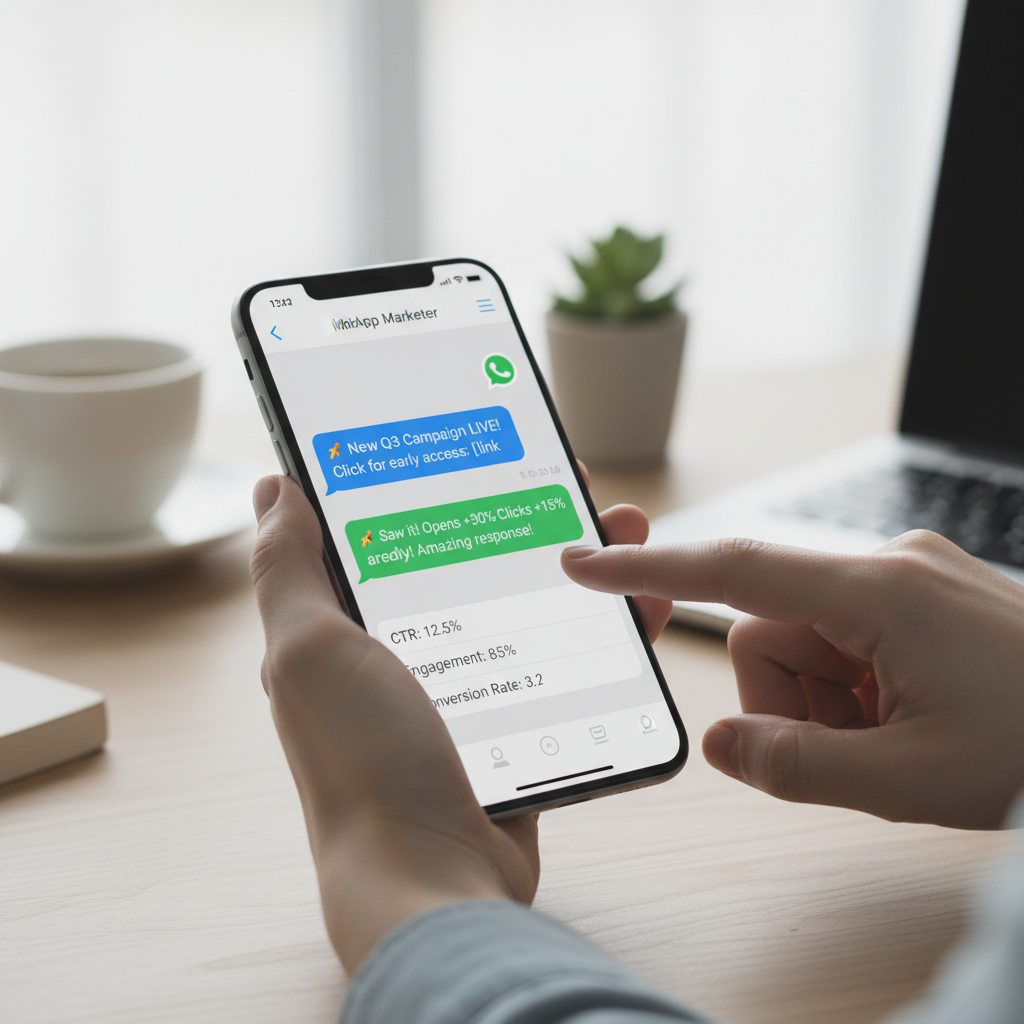
This immediacy makes SMS a compelling choice for businesses looking to rekindle customer interest. However, to leverage this tool effectively, it's crucial to understand the dynamics and best practices of SMS marketing.
Building a Strong Subscriber List
Before diving into SMS campaigns, having a well-curated subscriber list is essential. Focus on quality over quantity by ensuring that your subscribers genuinely want to hear from you. Encourage sign-ups through your website, social media, and in-store promotions.
Offer incentives like discounts or exclusive deals to entice customers to opt-in. Remember, compliance with regulations such as GDPR or TCPA is vital, so ensure clear consent is obtained from subscribers.
Crafting Compelling Messages
The key to successful SMS marketing lies in crafting messages that resonate with your audience. Keep your messages concise, engaging, and actionable. Since SMS messages are limited to 160 characters, make every word count.
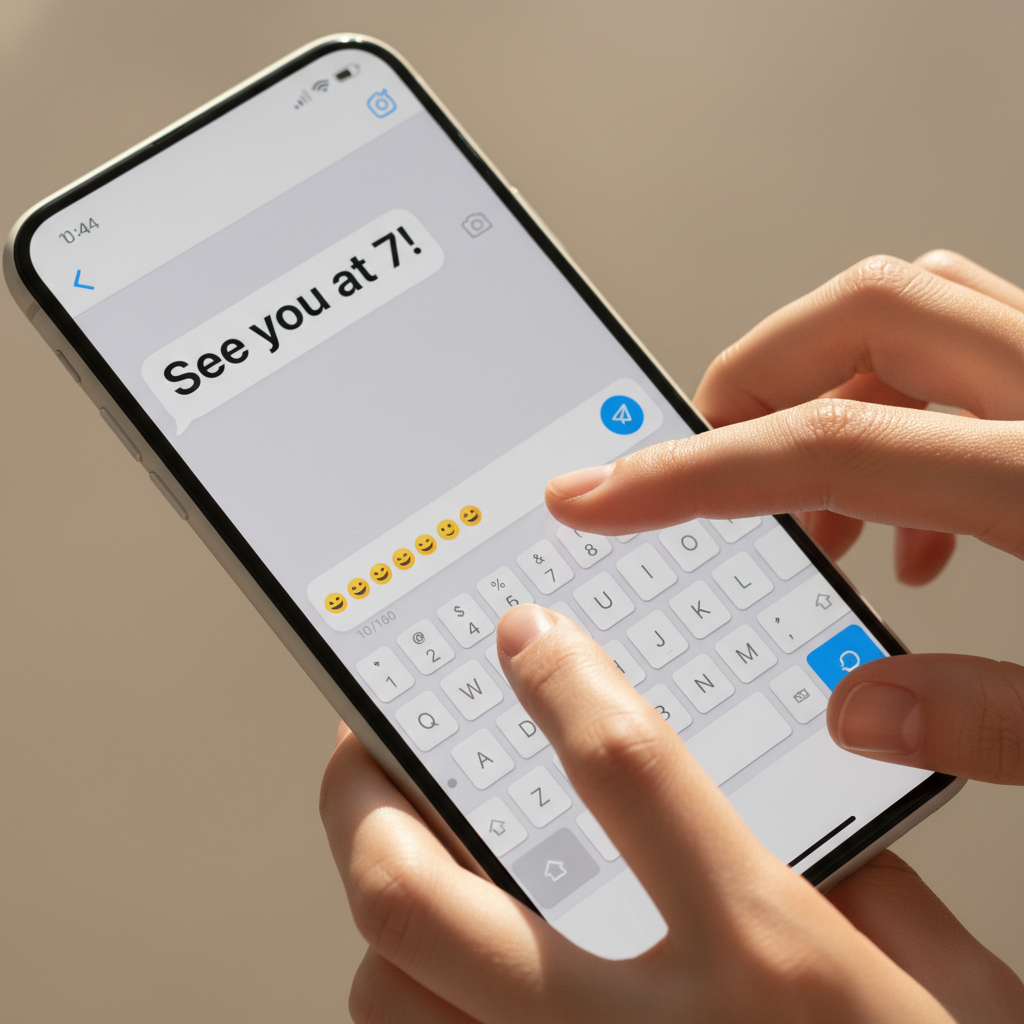
Include a strong call-to-action (CTA) to guide your customers on the next steps. Whether it’s visiting your website, claiming a discount, or participating in a survey, clear instructions can significantly enhance engagement.
Timing and Frequency
Timing is crucial in SMS marketing. Sending messages at the right time can dramatically impact their effectiveness. Analyze your customer data to determine when your audience is most active and likely to respond.
Avoid bombarding your customers with too many messages, which can lead to annoyance and opt-outs. Instead, establish a strategic schedule that maintains customer interest without overwhelming them.
Personalization and Segmentation
Personalization can elevate your SMS campaigns by making customers feel valued. Use customer data to tailor messages based on their preferences, purchase history, or location. Segmentation allows you to send targeted messages to specific groups, increasing relevance and engagement.
For instance, a clothing retailer might send summer sale announcements to customers who frequently purchase summer apparel. This targeted approach not only boosts engagement but also enhances customer satisfaction.
Integrating SMS with Other Channels
SMS marketing shouldn't operate in isolation. Integrating it with other marketing channels can amplify its effectiveness. Combine SMS with email campaigns, social media promotions, or in-app notifications for a cohesive customer experience.
This multi-channel approach ensures that your message reaches customers through their preferred medium, enhancing the chances of re-engagement.
Measuring and Analyzing Campaign Success
Like any marketing strategy, assessing the success of your SMS campaigns is crucial. Track key metrics such as open rates, click-through rates, and conversion rates. Analyzing this data can provide insights into what works and what doesn’t.

Use these insights to refine your future campaigns, ensuring that your SMS marketing efforts are continually optimized for better results.
Conclusion
Leveraging SMS marketing for customer re-engagement offers numerous benefits, from high open rates to immediate impact. By building a strong subscriber list, crafting compelling messages, and integrating with other channels, businesses can effectively reconnect with their audience.
Remember, the key to successful SMS marketing is delivering value with every message. When done right, SMS can be a powerful component of your overall marketing strategy, driving engagement and boosting customer loyalty.