
Mastering Multi-Channel Marketing: A Guide to Boosting Customer Engagement
In today's fast-paced digital world, businesses need to adopt a multi-channel marketing strategy to effectively engage with their audience. This approach allows brands to reach customers through various platforms, maximizing their reach and improving customer interaction. By leveraging multiple channels, businesses can create a more cohesive and personalized customer experience.
Understanding how to master multi-channel marketing is essential for boosting customer engagement. This guide will explore the key aspects of building a successful strategy and highlight the benefits of incorporating multiple channels into your marketing efforts.

What is Multi-Channel Marketing?
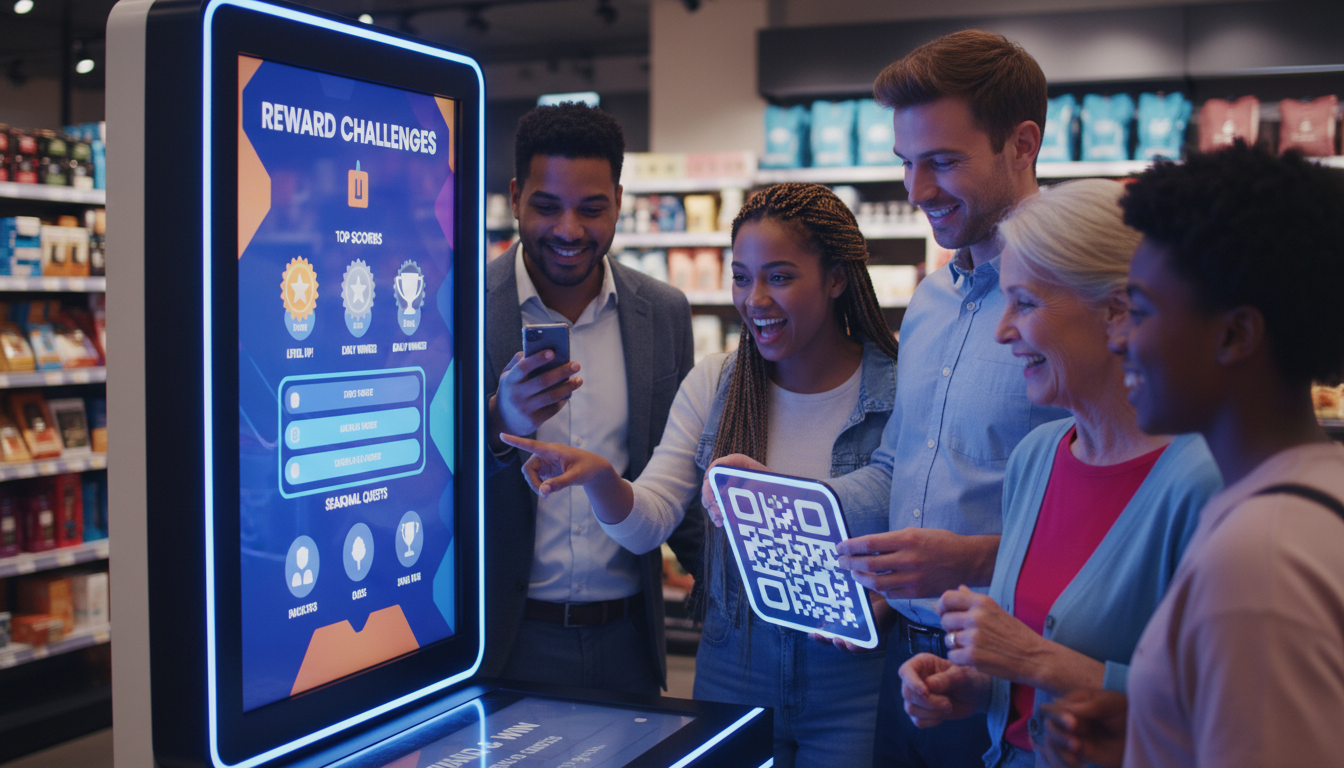
Multi-channel marketing involves interacting with customers across a combination of direct and indirect channels. These can include social media, email, websites, retail stores, and more. The goal is to create a seamless experience where customers can engage with your brand through their preferred medium. By providing multiple touchpoints, you can increase the likelihood of engaging customers and converting leads into sales.
Benefits of Multi-Channel Marketing
One of the primary advantages of multi-channel marketing is increased customer engagement. When customers have access to your brand through various platforms, they are more likely to interact and engage. This increased engagement can lead to higher conversion rates and improved customer loyalty.
Additionally, a multi-channel strategy offers better data insights. By analyzing customer interactions across different platforms, businesses can gain valuable insights into customer behavior and preferences. This data can be used to fine-tune marketing strategies and improve overall performance.
Building a Multi-Channel Strategy
Creating an effective multi-channel marketing strategy requires careful planning and execution. Here are some steps to guide you:
- Identify Your Audience: Understand who your target audience is and where they spend their time. This will help you choose the right channels to reach them.
- Set Clear Goals: Define what you want to achieve with your multi-channel approach, whether it's increased sales, brand awareness, or customer retention.
- Select the Right Channels: Choose a mix of channels that align with your audience's preferences and your business goals.
Integrating Channels for a Seamless Experience
Once you've chosen your channels, it's crucial to ensure they work together harmoniously. Consistency is key, so your messaging, branding, and customer experience should be uniform across all platforms. This integration helps build trust and recognition among your audience.
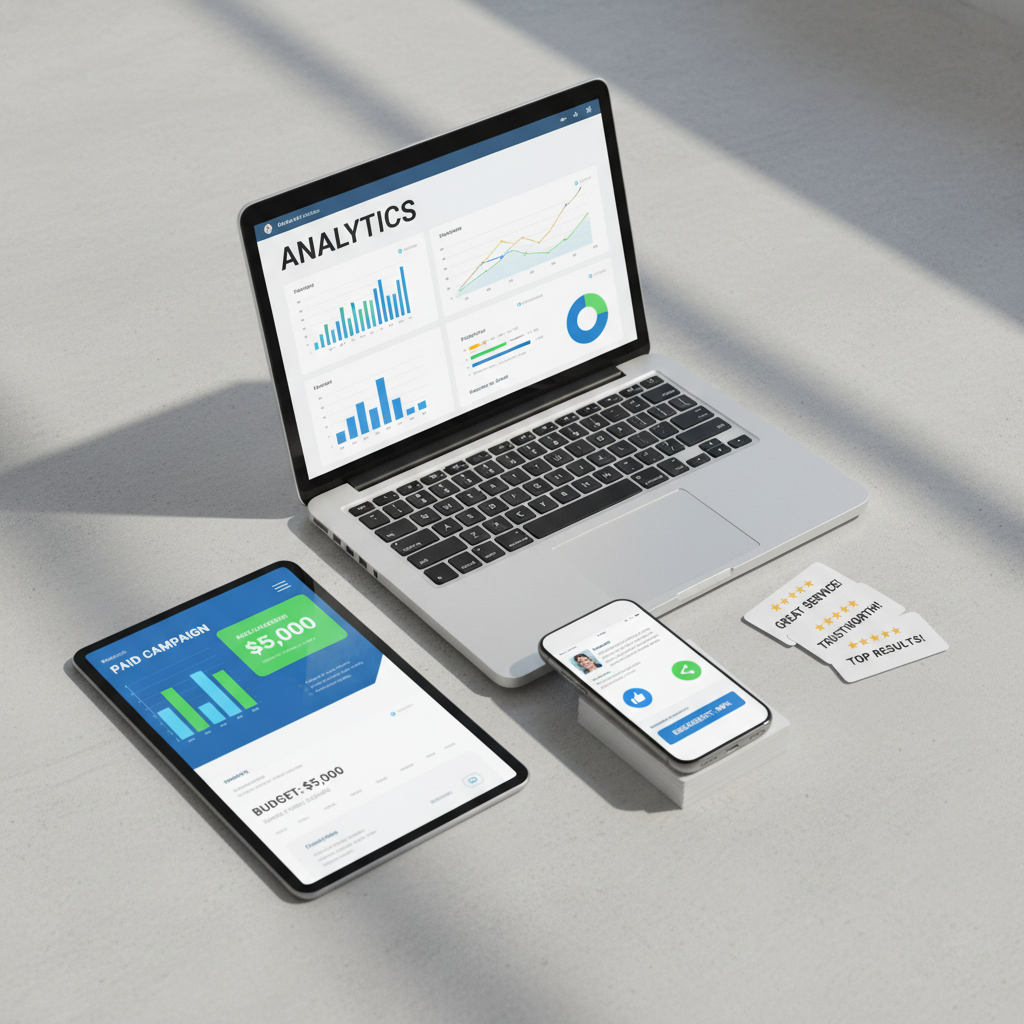
Utilizing technology can greatly enhance your multi-channel efforts. Tools like customer relationship management (CRM) systems and marketing automation software can streamline processes and ensure that all channels are effectively synchronized.
Measuring Success and Adapting
Finally, regularly measuring the success of your multi-channel marketing strategy is essential. Use analytics to track performance and identify areas for improvement. By continuously adapting and refining your approach, you can ensure sustained engagement and growth.
In conclusion, mastering multi-channel marketing is a powerful way to boost customer engagement. By understanding your audience, selecting the right channels, and integrating them effectively, you can create a robust strategy that drives success. Remember, the key is to remain flexible and responsive to your customers' needs and preferences.