
The Ultimate Guide to Choosing the Best Email Platform for Your Business
Understanding Your Business Needs
Choosing the right email platform for your business is crucial for effective communication and marketing. To start, you must understand your business needs. Consider factors such as the size of your team, the volume of emails you send, and your budget. These elements will influence which platform is best suited for you.

Also, think about the integrations you require. Do you need a platform that connects seamlessly with CRM systems, e-commerce tools, or analytics software? Identifying these needs early on will help narrow your options.
Key Features to Consider
When evaluating email platforms, focus on key features that will benefit your business. These include:
- Automation: Automate repetitive tasks to save time.
- Segmentation: Target specific audiences with tailored messages.
- Analytics: Track performance to optimize campaigns.
- Scalability: Ensure the platform can grow with your business.
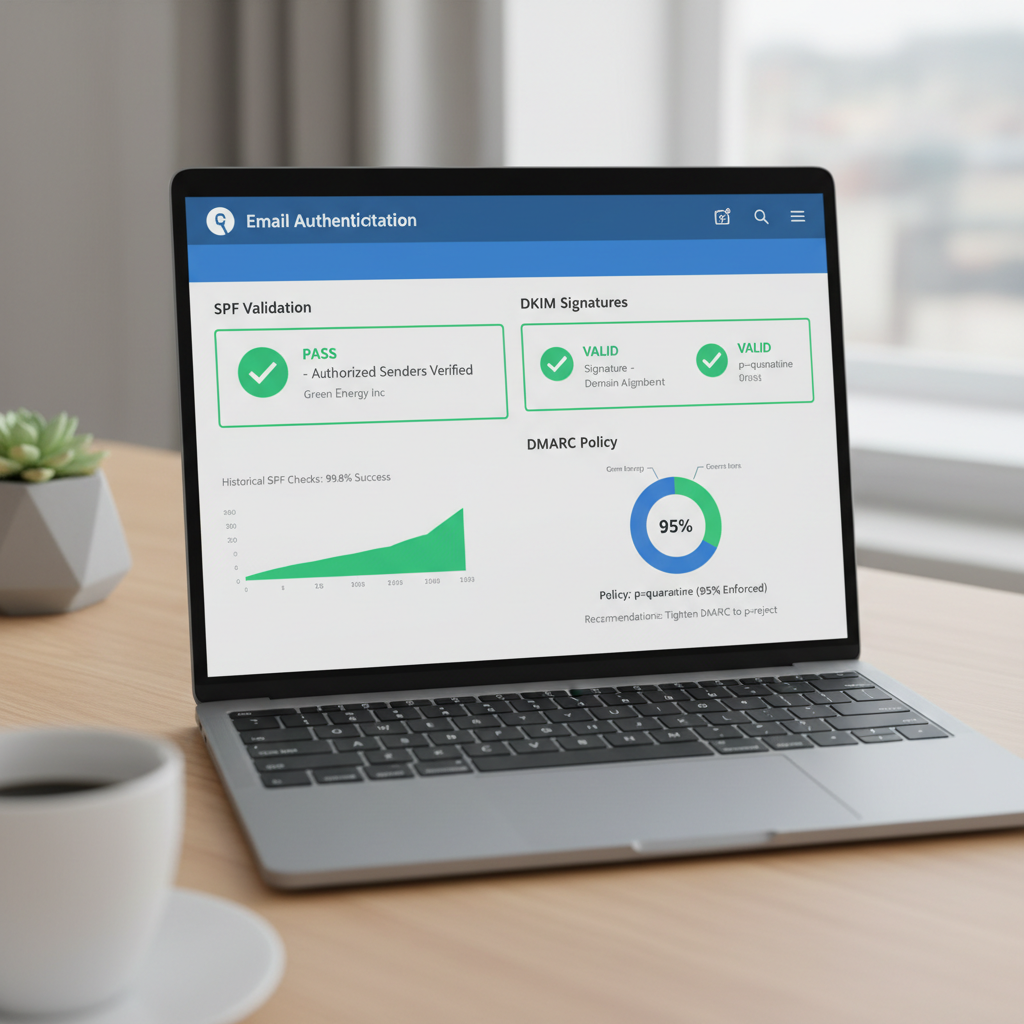
Additionally, look at the user interface. A user-friendly platform can make a significant difference in productivity and ease of use for your team.
Comparing Popular Email Platforms
There are numerous email platforms available, each with its unique strengths. Some of the most popular options include:
- Mailchimp: Known for its ease of use and robust automation features, ideal for small to medium businesses.
- Constant Contact: Offers excellent customer support and a variety of templates, making it great for beginners.
- SendinBlue: Provides advanced automation and SMS marketing capabilities.
- HubSpot: Integrated with CRM, perfect for businesses looking for a comprehensive solution.

Consider trialing a few platforms to see which one aligns best with your workflow and objectives.
Cost Considerations
Budget is a significant factor in choosing an email platform. Prices can vary widely based on features and the number of users. Some platforms offer free plans with limited features, while others provide premium options with extensive capabilities.
It's essential to weigh the cost against the benefits. A slightly more expensive platform could potentially offer better features that drive higher returns on investment.
Security and Compliance
Security should never be an afterthought. Ensure the platform complies with regulations like GDPR or CAN-SPAM. Check if they offer features such as encryption and two-factor authentication to protect your data.

Trustworthy platforms will provide detailed information about their security measures, so don't hesitate to ask questions during your evaluation process.
Making the Final Decision
After evaluating your options, it's time to make a decision. Consider all factors, including features, costs, integrations, and security. It might be helpful to create a checklist or a comparison chart to visualize the differences.
Remember, the right email platform should not only meet your current needs but also adapt to your future growth. Choose wisely to ensure smooth and efficient communication for your business.